
Moving to Vietnam often seems simple: buy a ticket, book accommodation for the first few days, arrive, grab an iced coffee, and start a new life. But within the first week, it becomes clear that the main question isn’t "where to go?" but "how to quickly solve everyday tasks." You’ll need internet, transportation, a decent neighborhood, home essentials, contacts for repair services, clear services, and a backup plan if something goes wrong.
The first 30 days are best treated as a setup period. Don’t try to find the perfect apartment, the perfect bike, or all the specialists you’ll need for the year ahead right away. It’s much more important to assemble a functional base: where to live now, how to get around, where to find necessary items, and who to contact if you need help.
Note: In Vietnam, many everyday solutions come through people—acquaintances, chats, Facebook groups, local recommendations. This works, but when there are many tasks, information quickly turns into chaos.
1. Housing for the First Weeks
The most common mistake is renting a place for a month or longer without understanding the neighborhood. In Vietnam, the same city can feel completely different depending on the street: some areas are noisy due to traffic, others are touristy, some are convenient for living without a bike, and others require a ride even to the nearest store.
For the first few days, it’s better to choose flexible housing: a hotel, apartment, homestay, or short-term rental. This gives you time to explore neighborhoods, understand distances, check noise levels, internet, kitchen, washing machine, parking, and the actual condition of the room. Photos often don’t show the most important things: damp smells, nearby construction, weak water pressure, or poor mobile internet signal.
Before paying for a month, clarify utility bills, deposits, refund policies, cleaning, internet, kitchen availability, air conditioning, and washing machine. If you need the place for work, separately check the desk, chair, outlets, and Wi-Fi stability.

2. Transportation: Bike, Taxi, or Walking
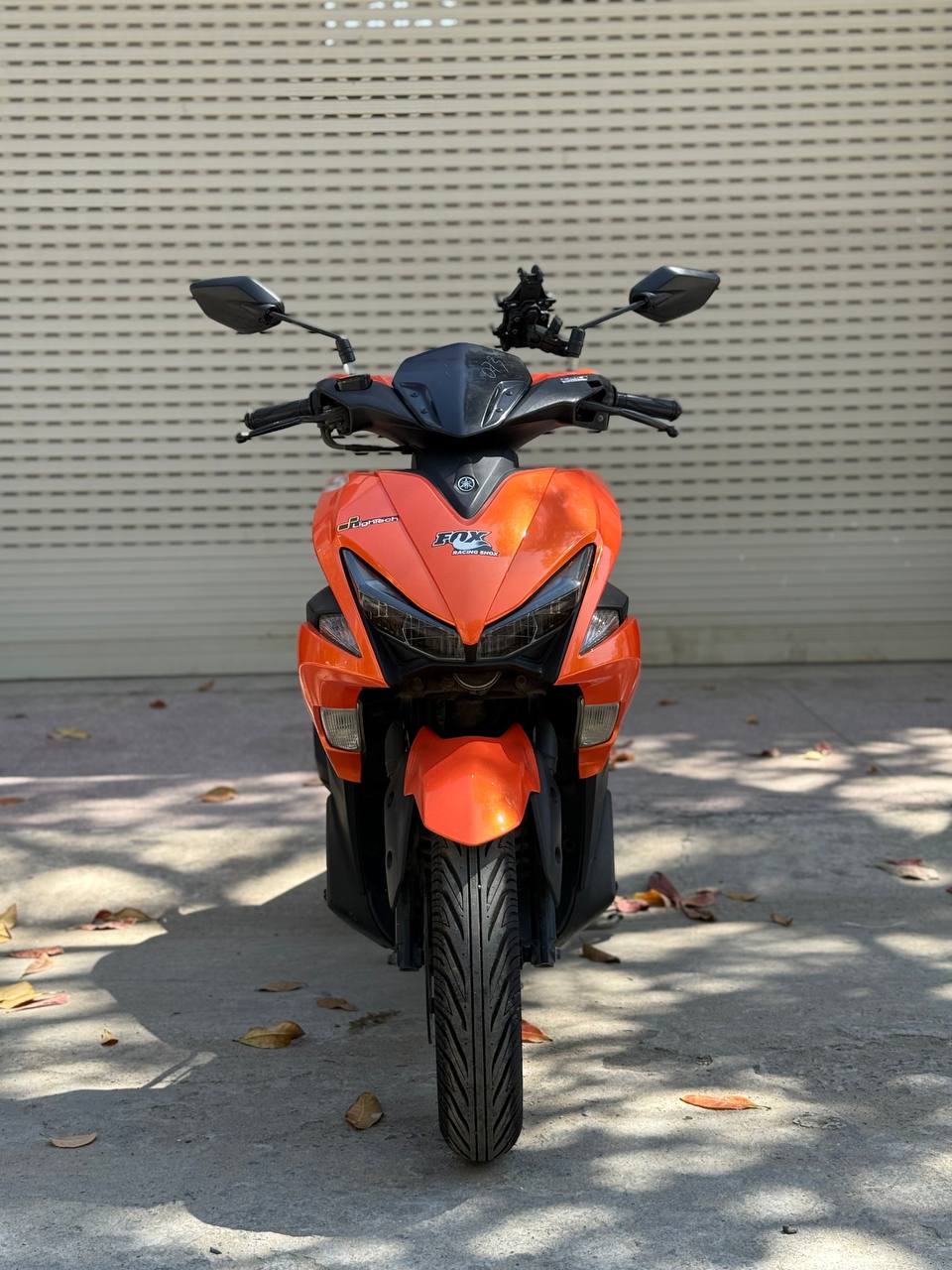
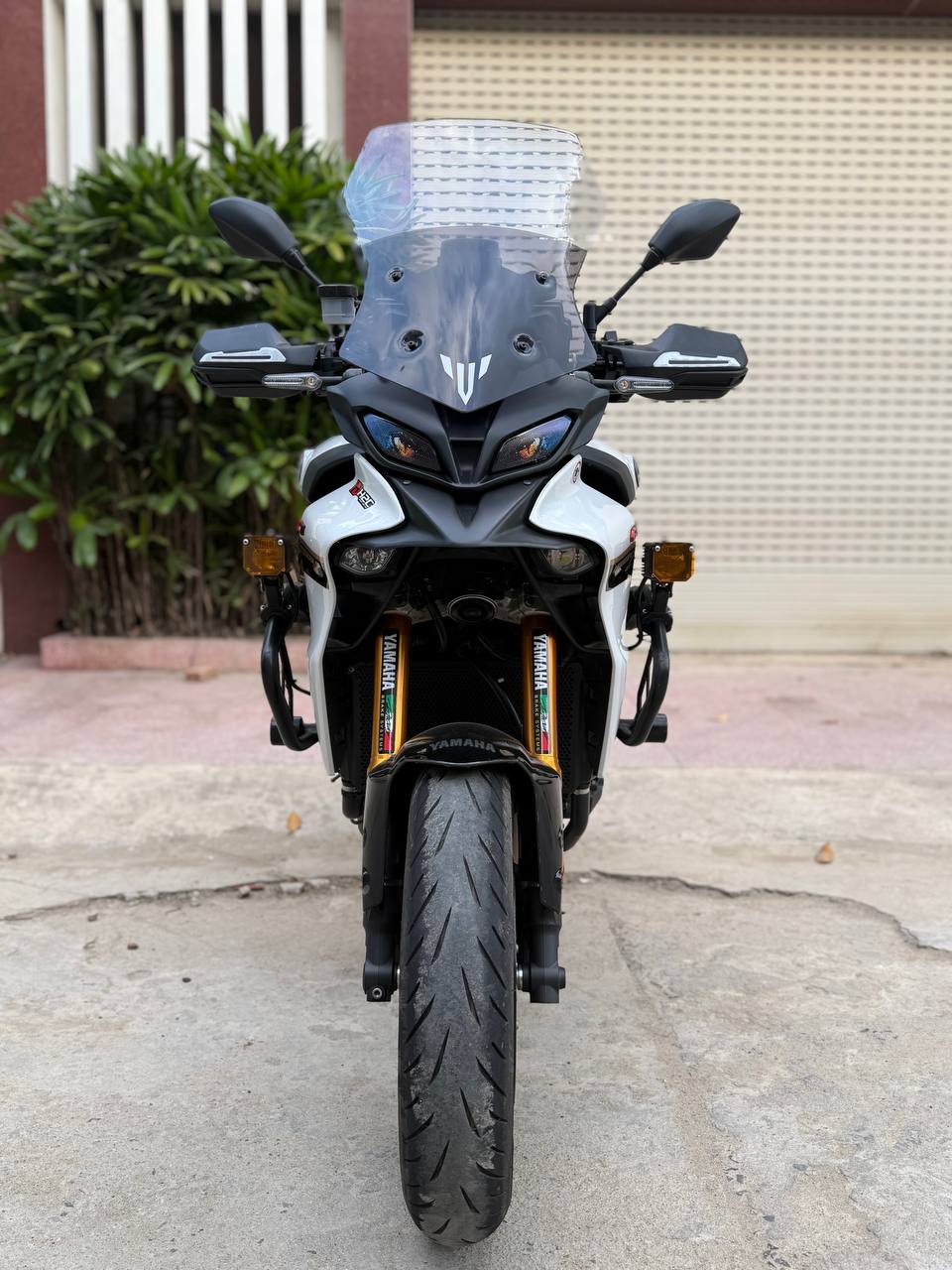
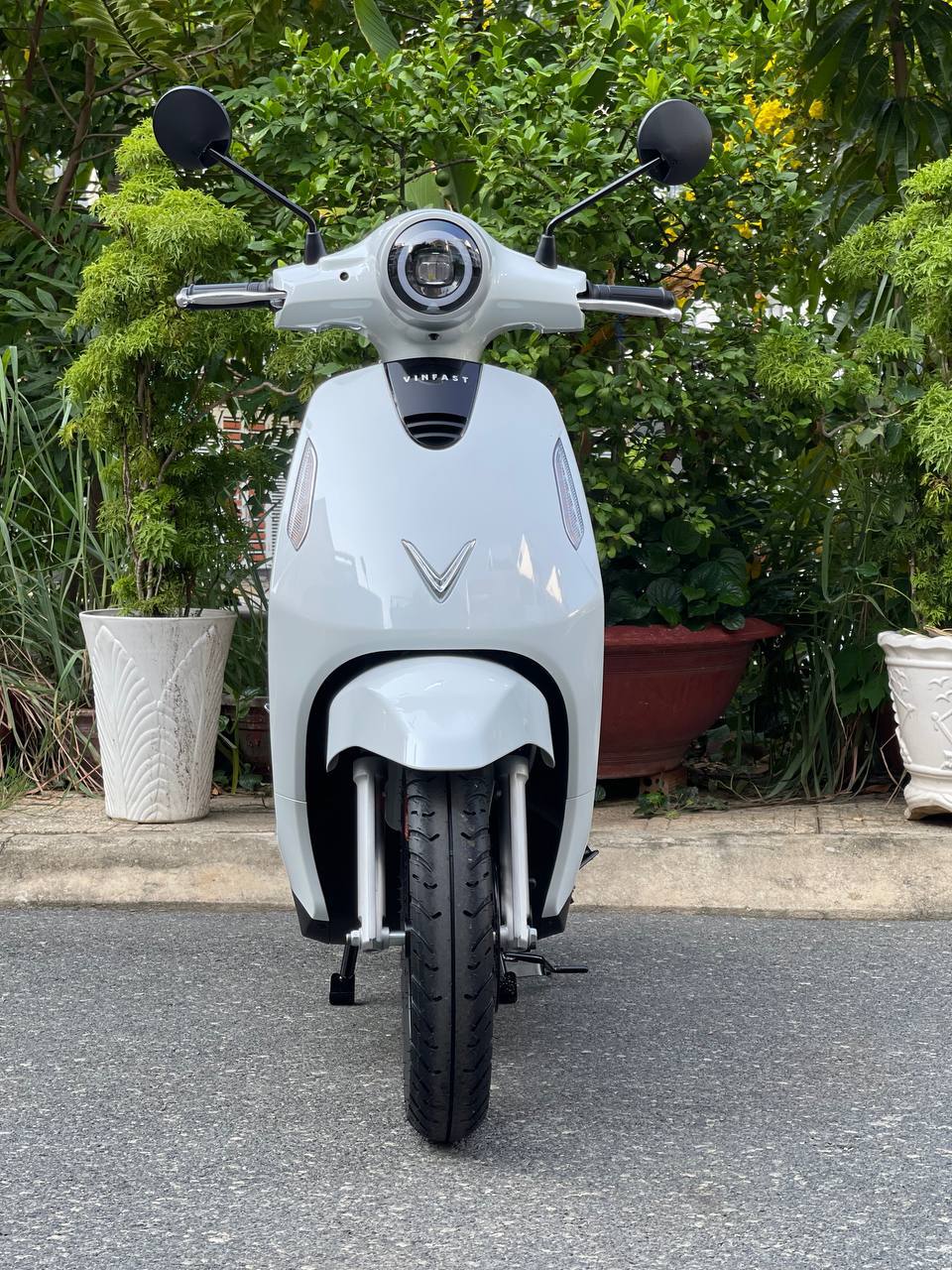
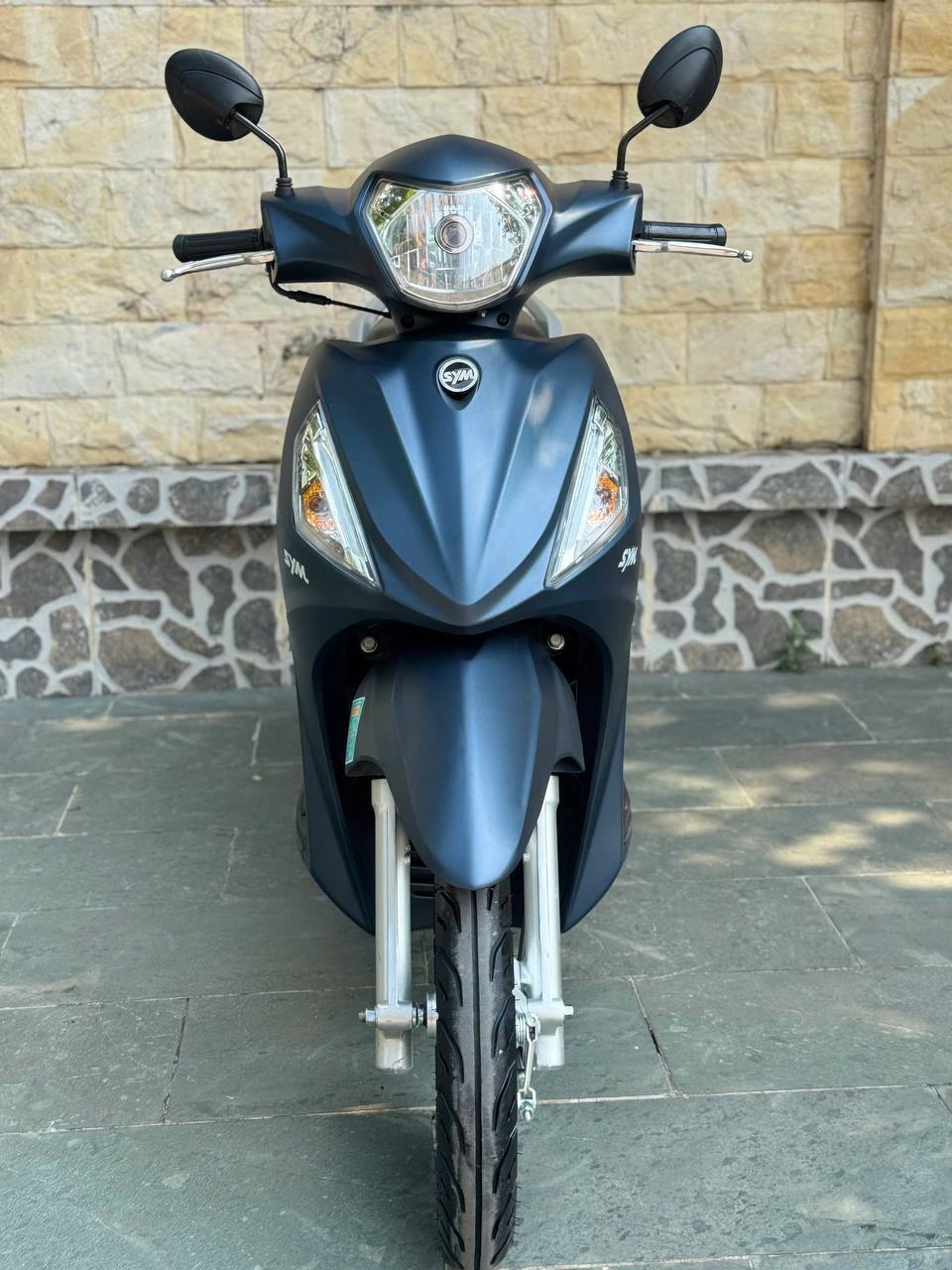
In many Vietnamese cities, a bike isn’t a luxury but a necessity for normal life. But that doesn’t mean you need one on day one. First, understand the city, traffic density, distances, and your own confidence behind the wheel.
If you don’t ride a bike, check beforehand if you can live in an area where everything you need is nearby: cafes, supermarkets, pharmacies, laundromats, gyms, beaches, or coworking spaces. In big cities, taxis and apps can cover some needs, but long-term, this is more expensive and not always convenient.
If you do need a bike, rent one short-term first. Check brakes, lights, mirrors, tires, helmet, documents, and deposit terms. Record a video of the bike’s condition before payment. This simple habit often prevents disputes when returning it.
3. Connectivity, SIM, and Internet
Without internet in Vietnam, life quickly becomes difficult: maps, translators, taxis, banking apps, communication with landlords, work. So, it’s best to sort out connectivity in the first hours or day.
Options include tourist SIMs, eSIMs, local SIMs, roaming, or temporary Wi-Fi at your accommodation. For short trips, an eSIM or tourist plan may suffice. For stays of a month or longer, a local number and stable internet are more practical.
Test the internet in your specific neighborhood and accommodation. Sometimes the plan is good, but the signal in your apartment is weak. If you work online, have a backup: mobile internet plus home Wi-Fi, and sometimes a nearby café or coworking space.

4. Home Essentials
Even if your place is furnished, you’ll likely need small items in the first weeks: extension cords, fans, dishes, containers, towels, lamps, a desk, chair, hangers, cleaning supplies, drying racks, a kettle, or extra pillows.
Some items are easier to buy new. But many household goods are cheaper secondhand, especially if you’re not staying forever. In Vietnam, people are constantly moving, leaving, or selling electronics, furniture, dishes, kids’ items, or sports gear.
The key is not to buy everything at once. Live for a week first to understand what you truly lack. Sometimes an item seems essential on day one, but three days later, you realize you can easily do without it.
5. Services and Specialists
A few days after moving, tasks arise that you rarely think about in advance: fixing appliances, setting up internet, cleaning, finding a repairperson, translator, doctor, visa specialist, nail salon, massage, babysitter, tutor, or AC repair.
This is where chats become exhausting. One person recommends a contact, another shares a number without context, a third says "search the group," and a fourth replies a day later. If you need a service quickly, you want to see the category, city, description, price, or at least a clear profile.
Naidu can serve as a more structured way to find such listings: services, transport rental, electronics, jobs, home goods, and other categories are organized in a catalog, not scattered across dozens of messages.

6. Work and Useful Contacts
If you’ve moved long-term, work, side gigs, clients, or local contacts eventually come up. Even if your main income is remote, you might need an accountant, lawyer, translator, assistant, marketer, photographer, or document specialist.
For freelancers and small businesses, it’s important not just to search but to be found. A chat message has a short lifespan, but a proper listing can work longer: someone searches by category, city, and task.
Note: If you offer services in Vietnam, prepare a short description in advance: what you do, your city, languages spoken, work examples, and response time.
7. First-Month Checklist
In the first month, you don’t need to perfect your entire life. Just cover the basics.
- Find temporary housing and understand the neighborhood.
- Sort out internet and SIM/eSIM.
- Decide if you need a bike or can live without one.
- Buy only essential home items.
- Save contacts for repair services and useful providers.
- Check visa dates and documents.
- Learn where to search for listings in your city.
How Naidu Helps Here
Naidu.asia is useful as an everyday entry point: when you need more than just chatting—you need a category, city, and specific listing. In the first 30 days, this is especially important because there are many tasks, and time and energy for endless searching are usually limited.
The site doesn’t replace local recommendations or personal connections. But it helps reduce chaos: goods, services, transport rentals, jobs, electronics, and home items become more like a normal catalog, not an endless stream of messages.