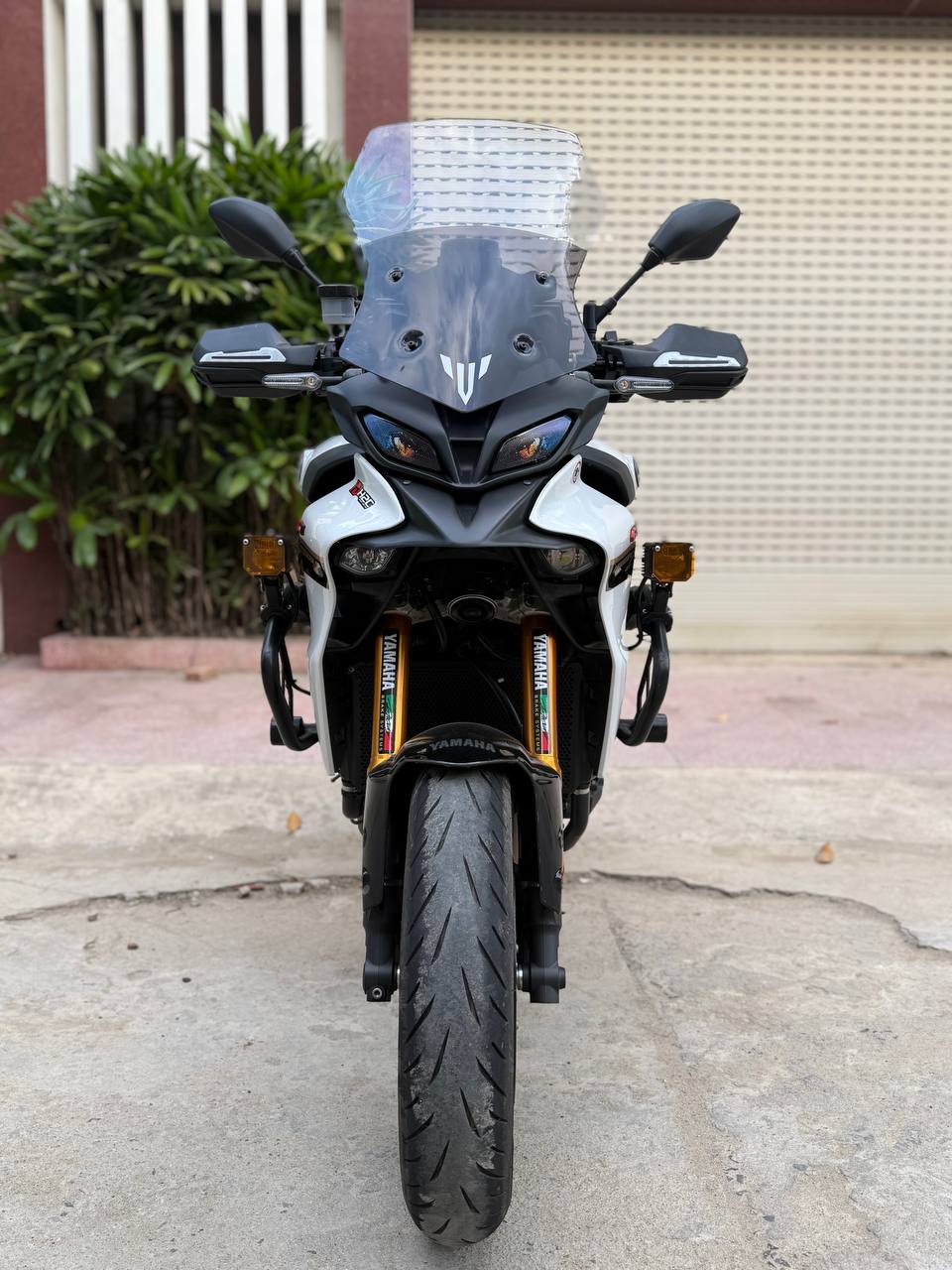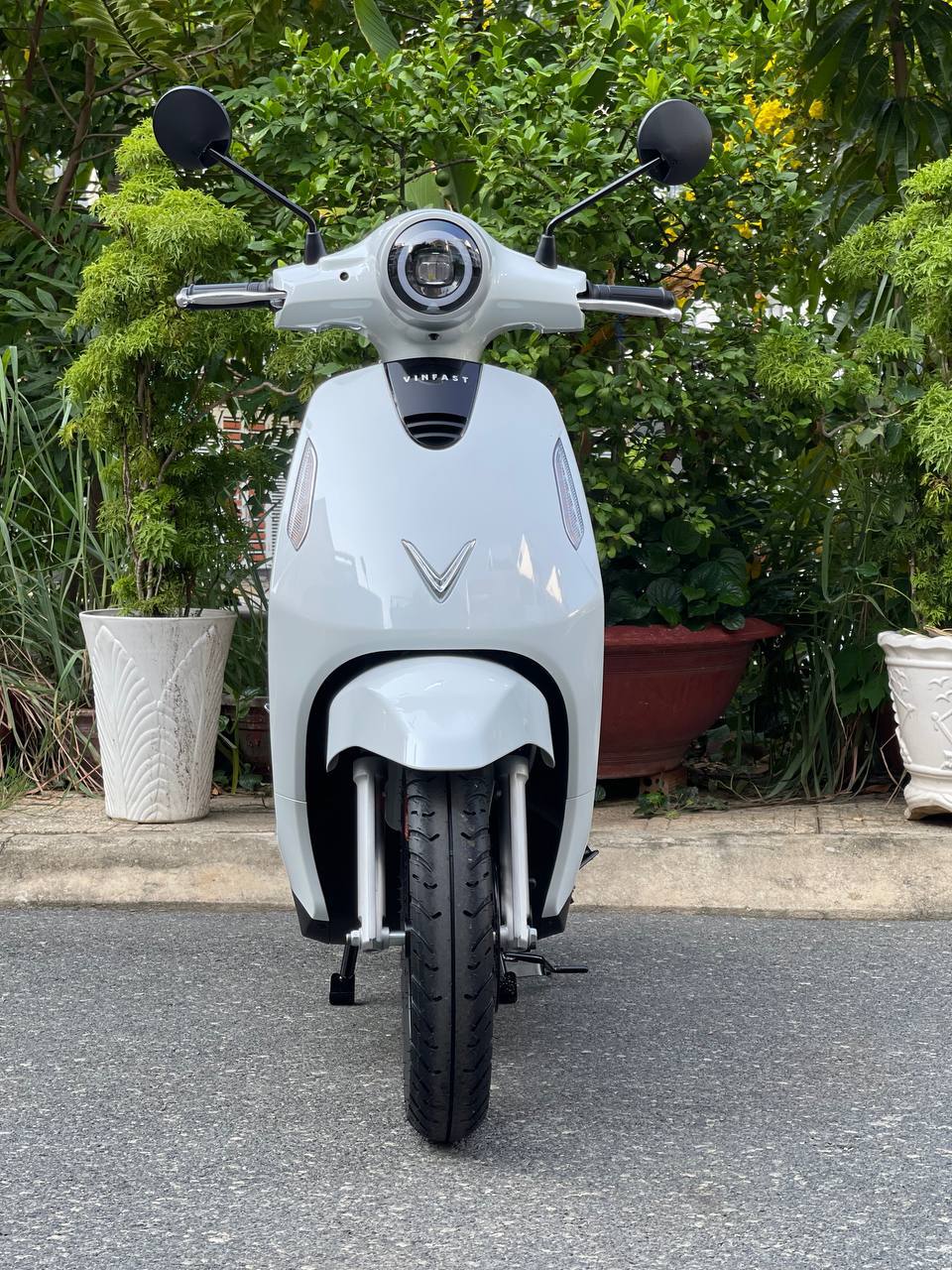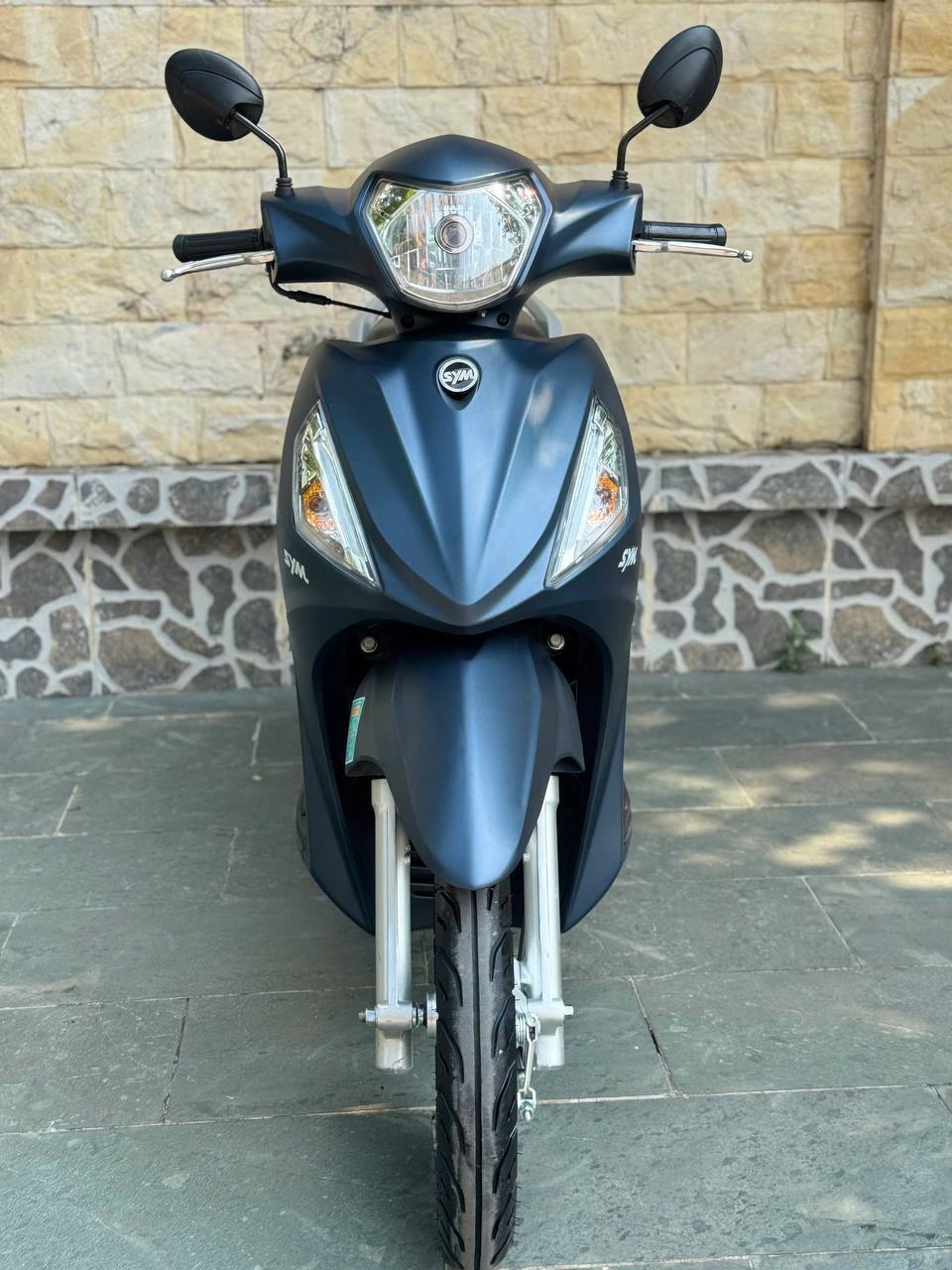
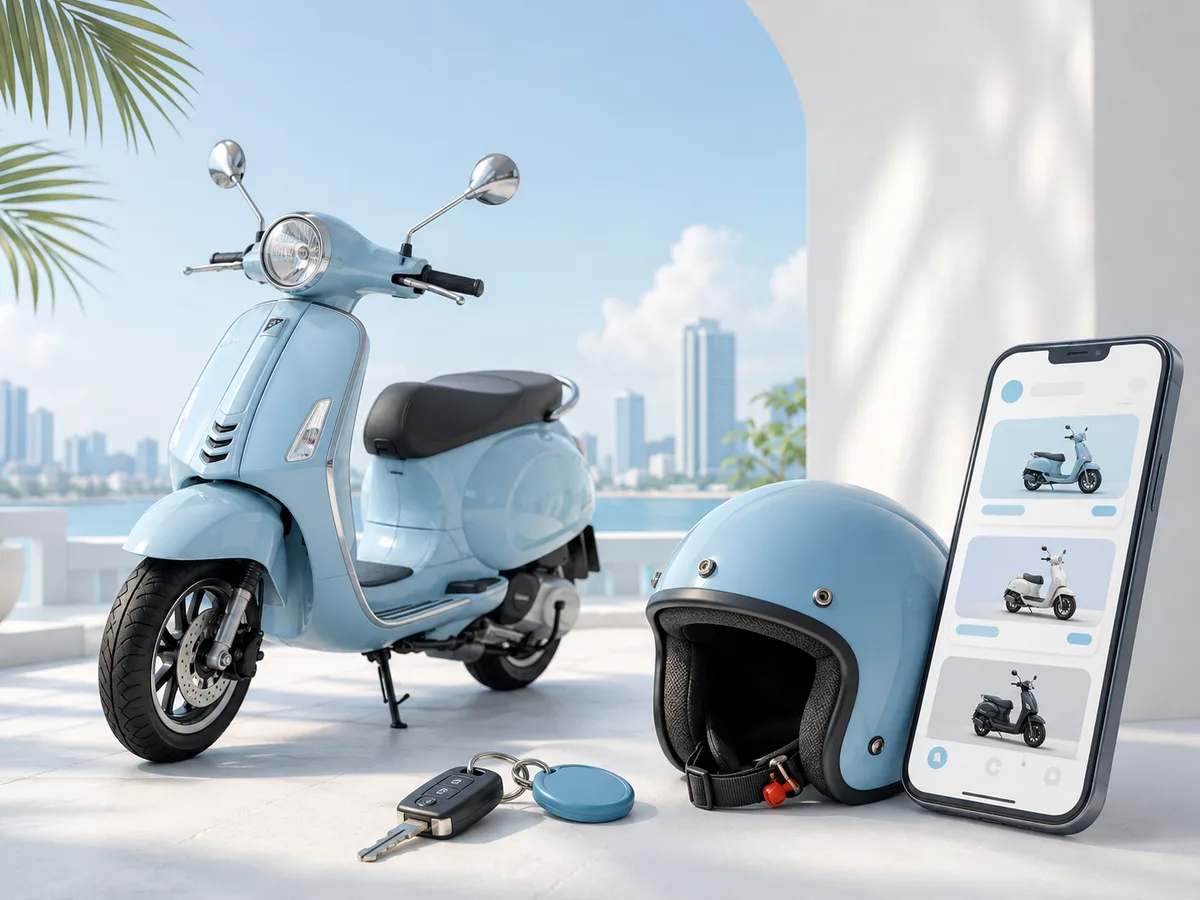
A bike in Vietnam often solves half of everyday problems: you can quickly get to a cafe, store, beach, gym, coworking space, or a neighboring district. But renting a bike isn’t just "take the keys and go." You need to understand what you’re renting, under what conditions, who is responsible for repairs, and what happens upon return.
This article isn’t about extreme motorbike trips. It’s about regular rentals for daily life: for a week, a month, or several months, when you need reliable transport without unpleasant surprises.
Note: If you’re unsure about riding, don’t start in heavy city traffic. First, get used to the area, roads, and local driving logic.
Where to Look for a Bike
There are several options. The most obvious is a rental near your accommodation. It’s convenient: you can inspect the bike on-site, quickly resolve repair issues, and return it without long logistics. The downside is limited choice, and the price isn’t always the best.
The second option is chats and groups. Private owners or small rentals often post ads there. But messages get lost quickly, photos may be incomplete, and rental terms must be clarified manually.
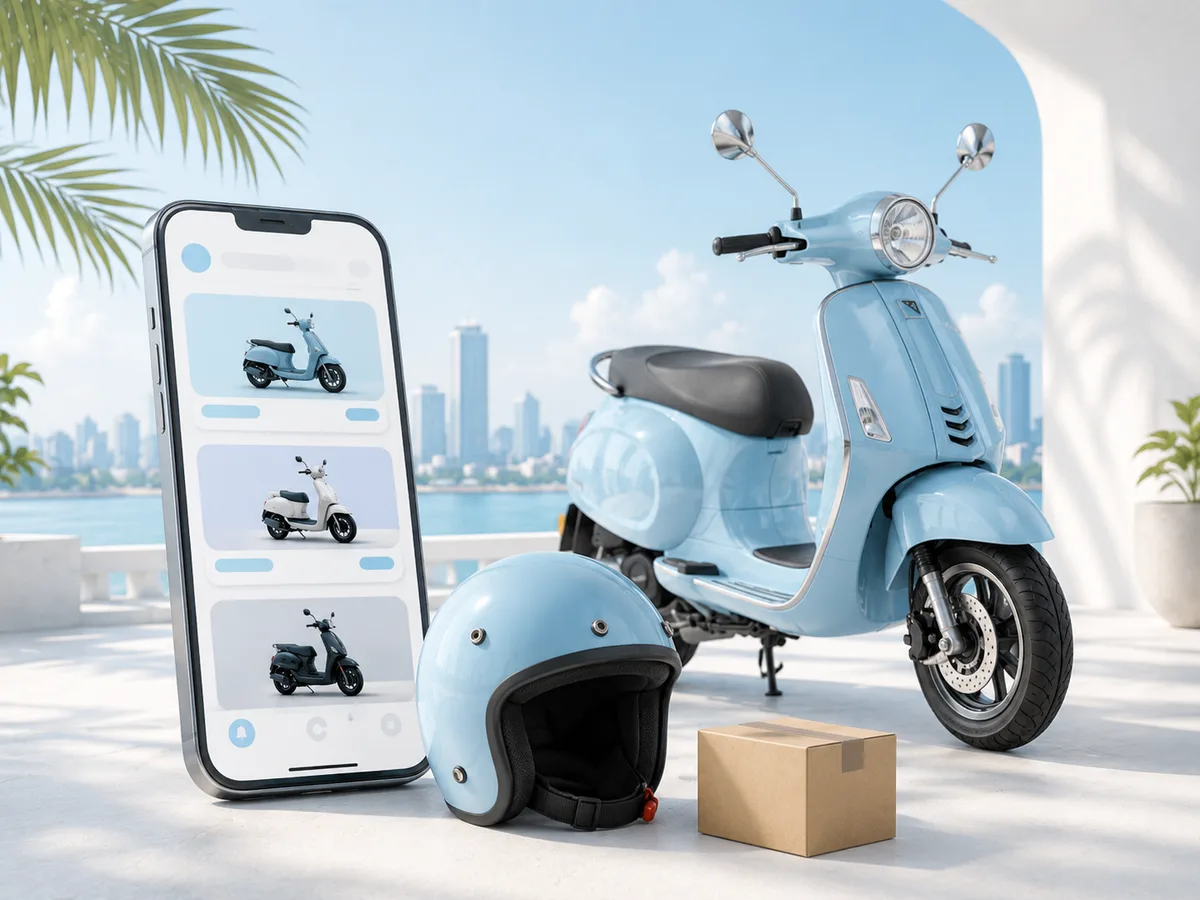
The third option is listings in the catalog. This is more convenient if you want to compare options by city, transport type, duration, and description. For Naidu, this topic logically falls under transport rental: bikes, scooters, bicycles, cars, and other temporary use options.
What to Check Before Paying
The main thing is not to judge by appearance alone. A clean bike doesn’t always mean a working bike. Before paying, spend 10–15 minutes on a basic inspection.
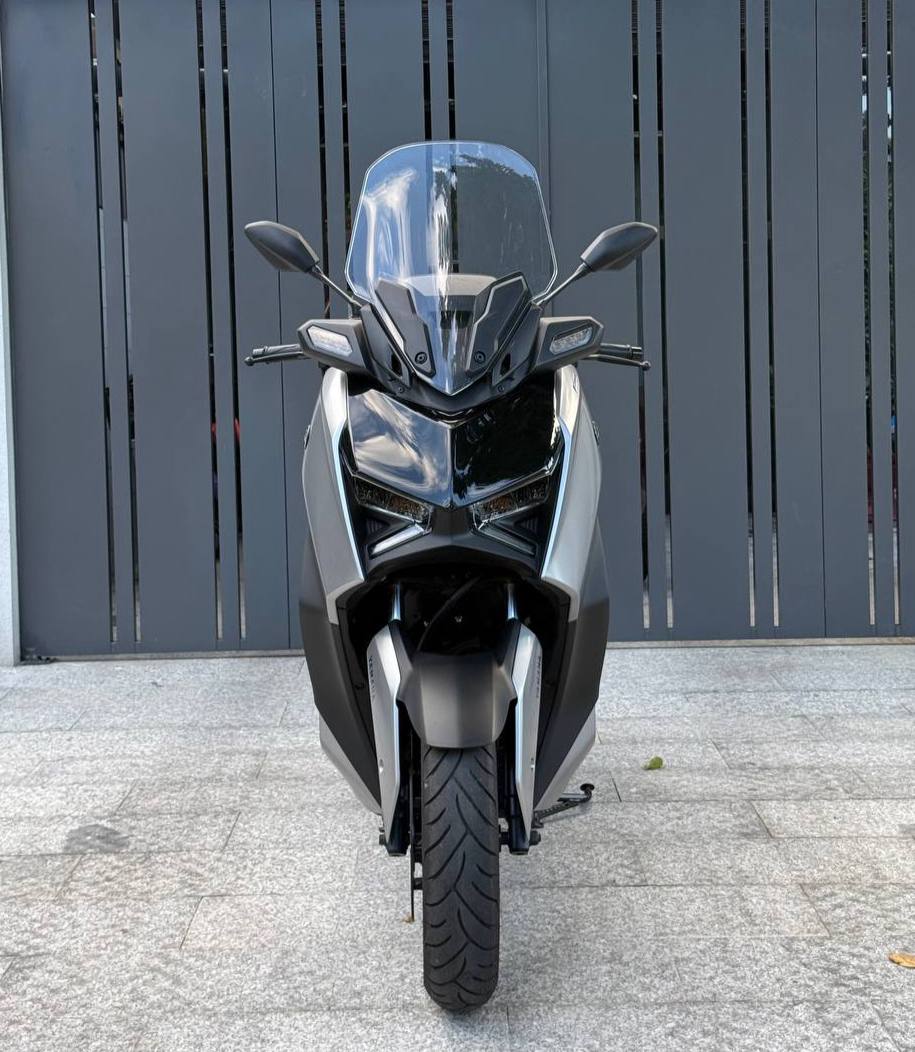
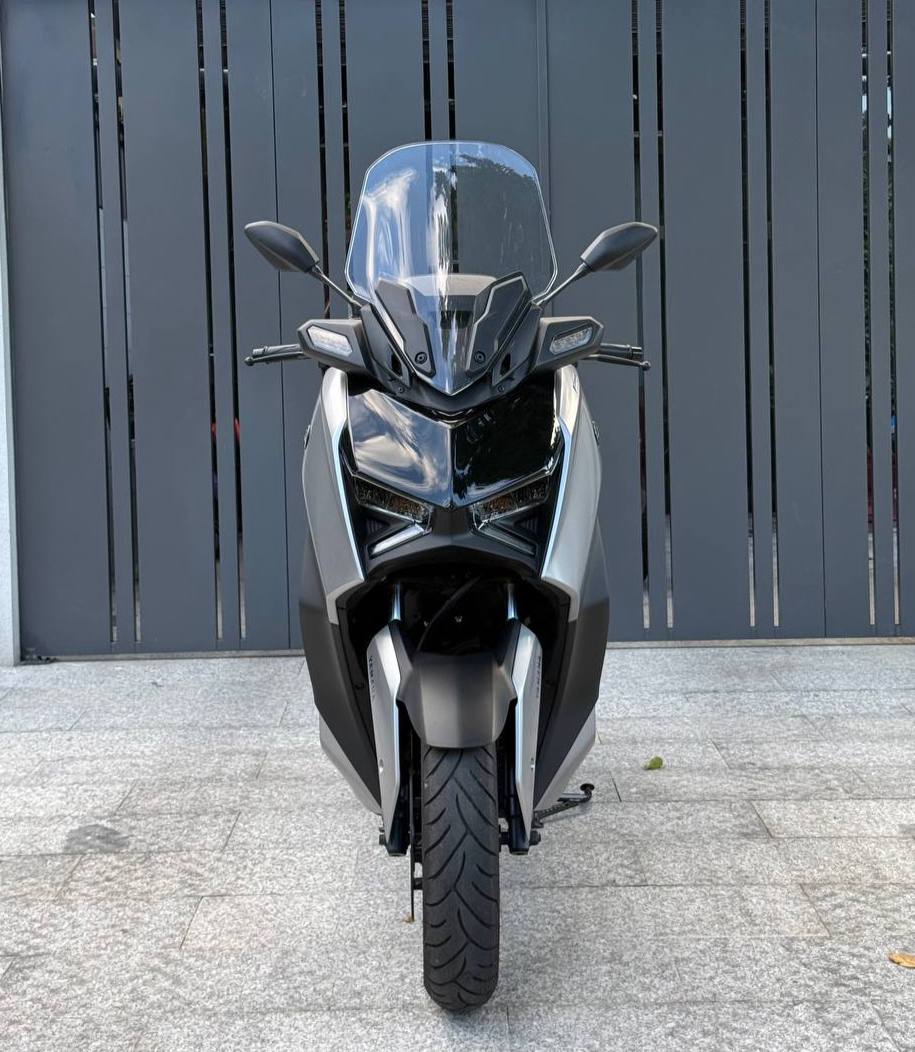
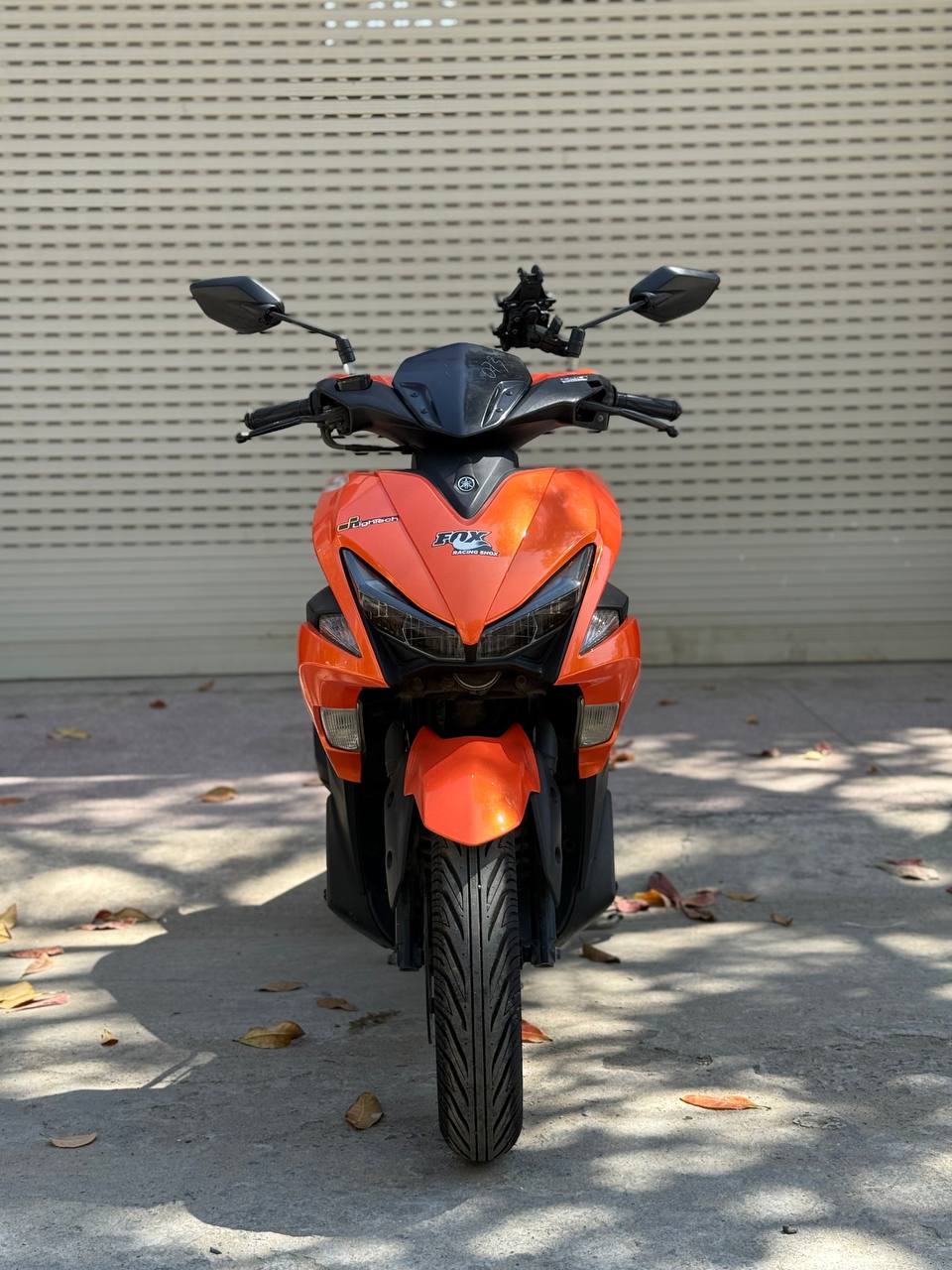
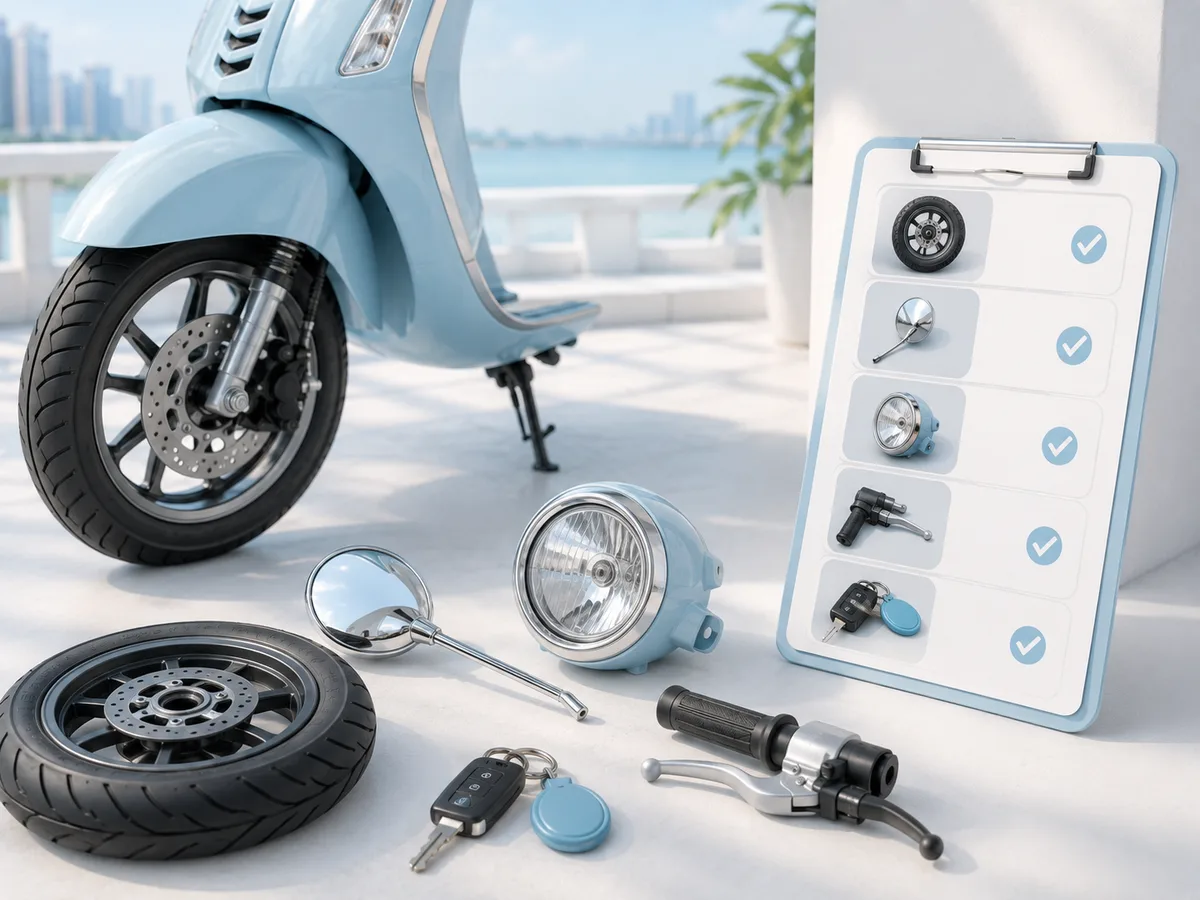
Check the brakes, lights, turn signals, horn, mirrors, tires, seat condition, lock, kickstand, and license plate. Look for oil leaks, strange noises, strong vibrations, or startup issues. If the bike is automatic, check for smooth acceleration. If it’s semi-automatic, ensure the gears shift properly.
Take a short video before riding: overall condition, scratches, plastic, wheels, dashboard, and license plate. This isn’t distrust—it’s normal protection for both sides.
Deposit, Passport, and Documents
Always discuss deposit terms in advance. Sometimes they ask for money, sometimes a passport, sometimes a document copy. Handing over your original passport long-term is risky, so discuss alternatives: a cash deposit, copy, photo of the document, contract, or another form of collateral.
Ask what counts as damage, how the deposit is returned, who pays for minor repairs, what to do in case of an accident or theft, whether you can ride to another city, and if there are mileage limits. If the terms sound vague, don’t rush.
Note: The contract can be simple, but it should clearly state the parties, rental period, amount, deposit, bike condition, and return process.
Daily and Monthly Rental
Daily rental is convenient if you’re visiting briefly or testing the area. Monthly rental is usually cheaper but requires more attention to terms. The longer the rental, the more important it is to clarify who handles maintenance, oil changes, tire repairs, battery issues, and other small things.
Don’t automatically choose the cheapest option. Sometimes the price difference is small, but a more expensive bike may be safer, newer, and more reliable—especially if you plan to ride daily.
Differences by City
In Da Nang and Nha Trang, a bike is often needed for daily life: distances aren’t huge, but walking isn’t always convenient. In Ho Chi Minh City, traffic is denser, and beginners may struggle. On Phu Quoc, a bike helps reach beaches and areas where transport is essential. In Mui Ne and Phan Thiet, it depends on your location relative to the main road.
The city also affects price and choice. Tourist and expat-heavy areas usually have more rental options, but they also have a higher chance of unclear terms.

What to Do If the Bike Breaks Down
First, contact the owner or rental. Don’t repair serious damage without agreement unless it’s an emergency. For minor issues like a flat tire, local workshops are often available, but clarify if such expenses are covered.
Save photos, receipts, or correspondence. If you need the bike daily, ask if a replacement is provided during repairs. This is especially important for monthly rentals.
Where to Find Transport Rentals
On Naidu, it’s better to list and search for bike and other transport rentals in the transport rental section. For users, this is easier than scrolling through old chat messages: open the category, check the city, compare descriptions, and contact the owner.
If you rent out bikes, don’t just post in a group—create a separate listing with photos, city, terms, duration, deposit, and clear contacts.
Quick Checklist Before Paying
- Inspect the bike and take a video.
- Check brakes, lights, tires, mirrors, and startup.
- Clarify the deposit and return conditions.
- Ask who pays for repairs and maintenance.
- Check if you can ride outside the city.
- Save the owner’s contact and rental address.
Renting a bike in Vietnam can be simple and convenient if you don’t rush. The best option isn’t the cheapest—it’s the one with clear terms, transport condition, and responsibilities.