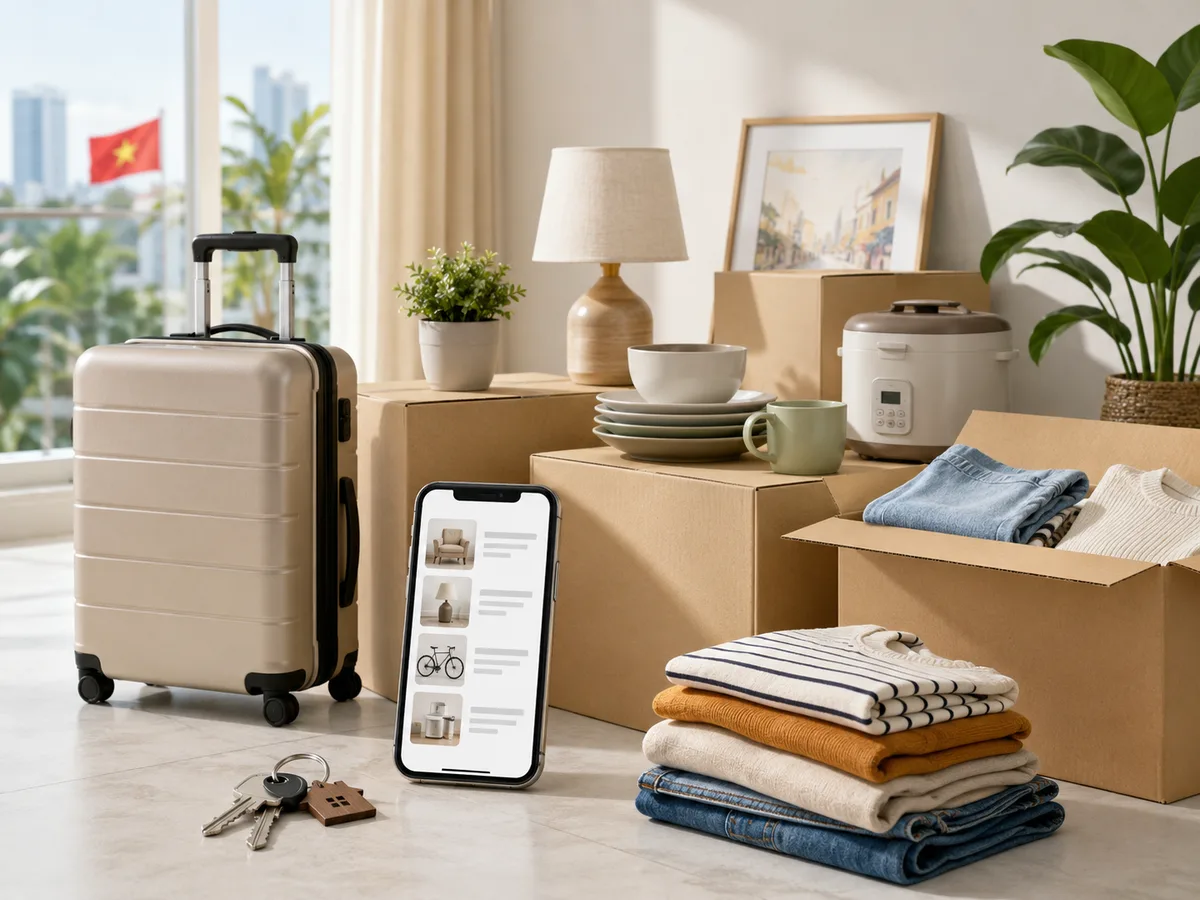
Leaving Vietnam rarely goes as smoothly as planned. Just a month ago, it seemed like you had almost no belongings, but before the move, you suddenly find a table, chair, fan, dishes, helmet, appliances, clothes, sports equipment, and dozens of small items that are too valuable to throw away but inconvenient to take with you.
The biggest mistake is starting the sale just a few days before departure. At this point, the seller is already pressed for time, and buyers sense it. You end up slashing prices, agreeing to inconvenient meetups, and juggling packing, deposit returns, and paperwork.
It’s much calmer to turn the sale into a small project: make a list of items in advance, prepare photos, set reasonable prices, and schedule postings.
Note: The closer the departure date, the less room for negotiation the seller has. Even two extra weeks often allow for selling items at better prices and without rush.
Start with a Full Inventory
Walk through your apartment and list everything you won’t take with you. Don’t limit yourself to large items. Note electronics, furniture, kitchenware, clothes, vehicles, kids' items, sports gear, and work-related items separately.
Then divide the items into four groups:
- Things to sell early;
- Things you’ll use until the last days;
- Items better sold as a set;
- Items not worth selling individually.
For example, a desk can be listed a month in advance, while a router or fan will be needed until the very last day. Dishes, towels, and household items sell better as a set, especially if the buyer is just moving into a new place.
This list helps avoid forgetting half your belongings and gives you a clear idea of how many meetups you’ll need to arrange.
When to Start Posting Listings
Large and expensive items should be posted three to four weeks in advance. A bike, laptop, TV, furniture, or air conditioner takes time: buyers compare options, ask questions, and aren’t always ready to come the same day.
Mid-priced items can be listed two to three weeks before departure. Small items and home sets can wait until closer to the move—but not the last evening.
It’s helpful to specify in the listing when the item will be available. For example: "Table available after July 24" or "Bike can be viewed now; handover at the end of the month." This lets you find a buyer early without parting with the item too soon.

How to Set Prices Without Random Numbers
The price should account for not just the item’s original cost but also its condition, age, completeness, documentation, and actual demand in your city.
Before posting, check similar listings. Focus not on the highest prices but on realistic offers: good photos, clear descriptions, full sets, and reasonable posting durations.
If you need to sell quickly, leave a small margin for bargaining—but don’t inflate the price by 50%. Overpriced listings get fewer inquiries, forcing sellers to slash prices later.
It’s useful to define three price points upfront:
- Your ideal price;
- The price you’re willing to accept;
- The minimum price right before departure.
This way, decisions are made calmly, not under pressure from a buyer at your door.
Photos Matter More Than a Long Description
Buyers see the photo first, then the price, and only then read the text. Even a great item can get lost in search results due to a dark shot, cluttered background, or five identical photos.
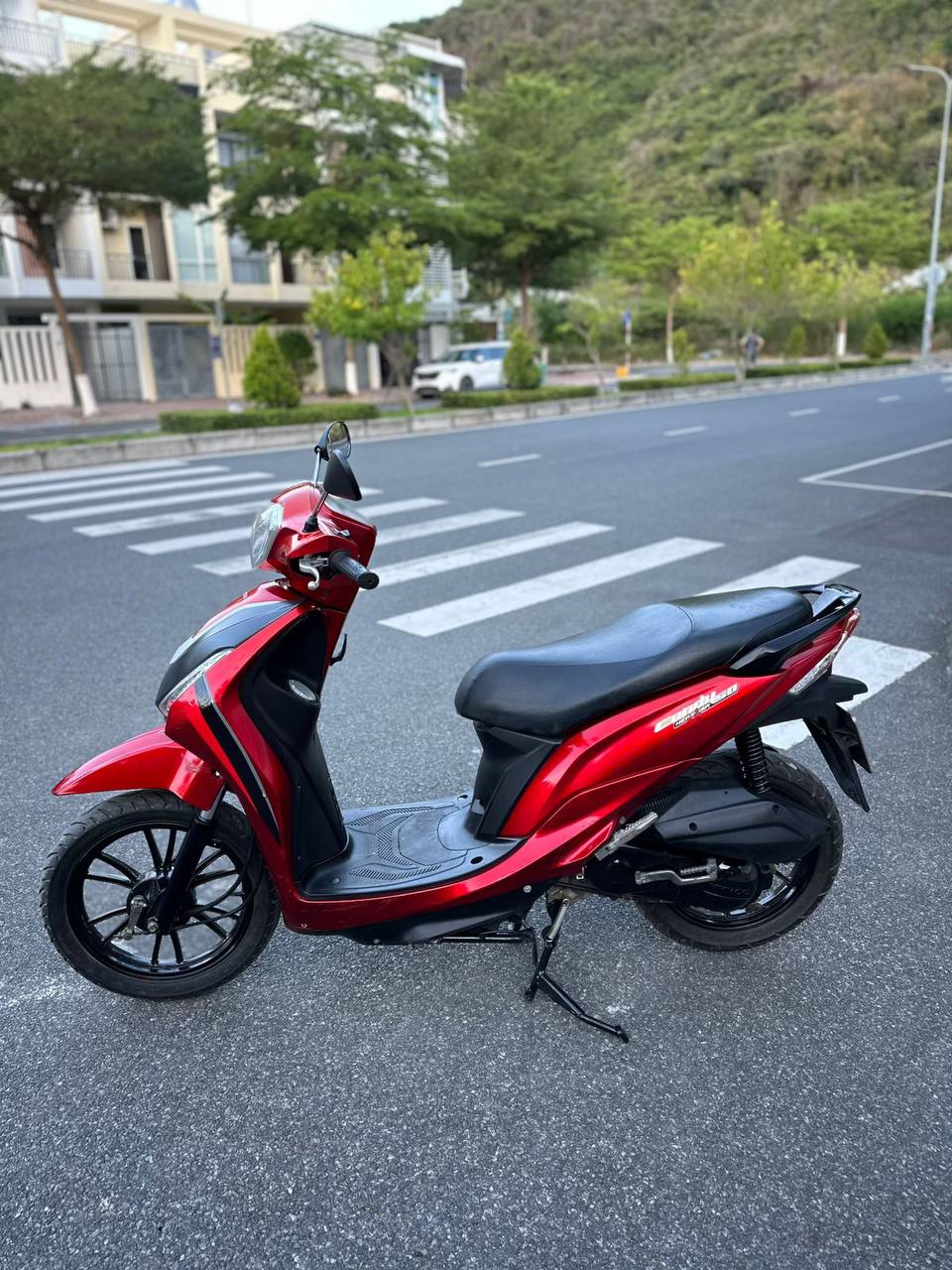
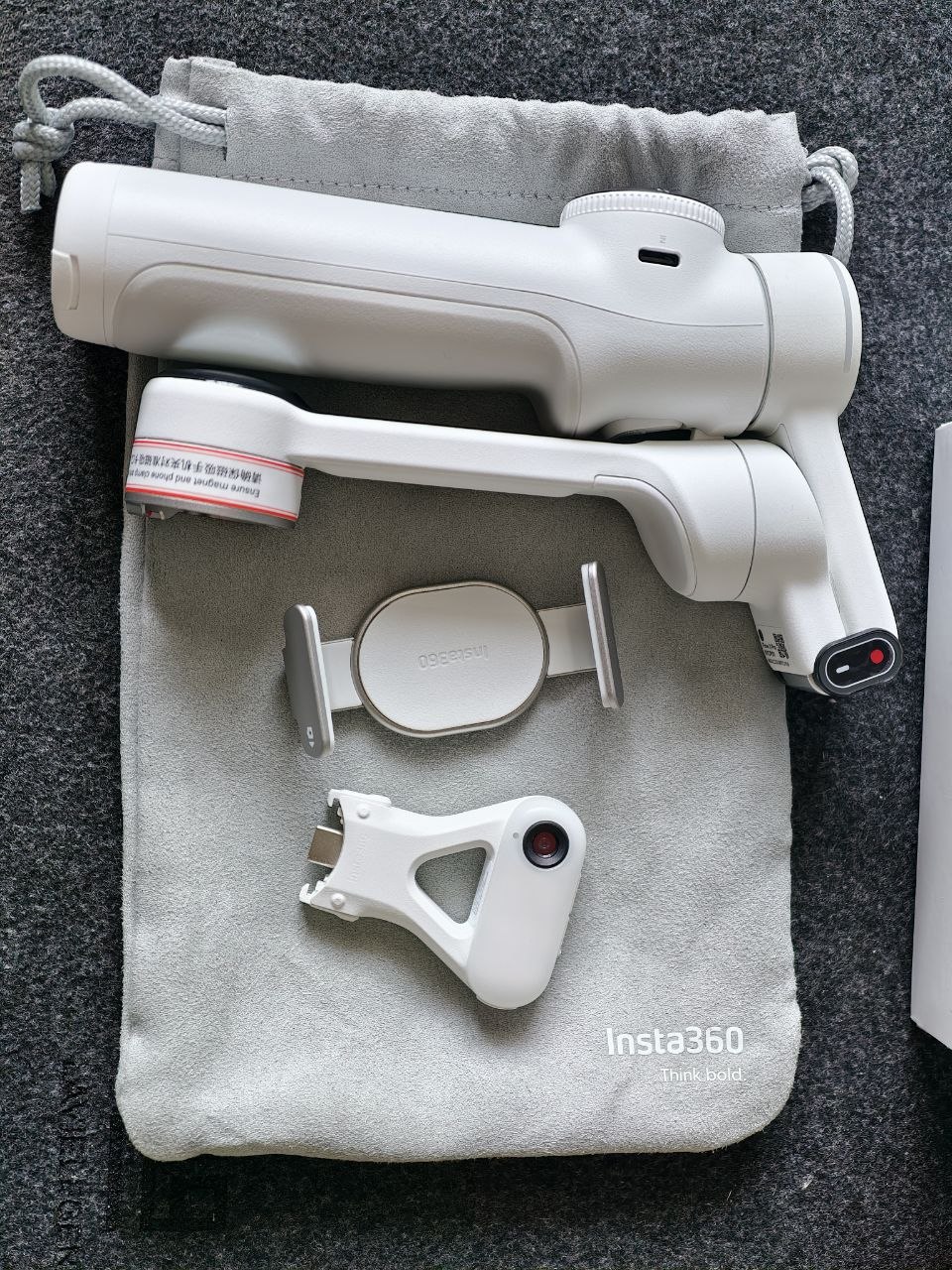
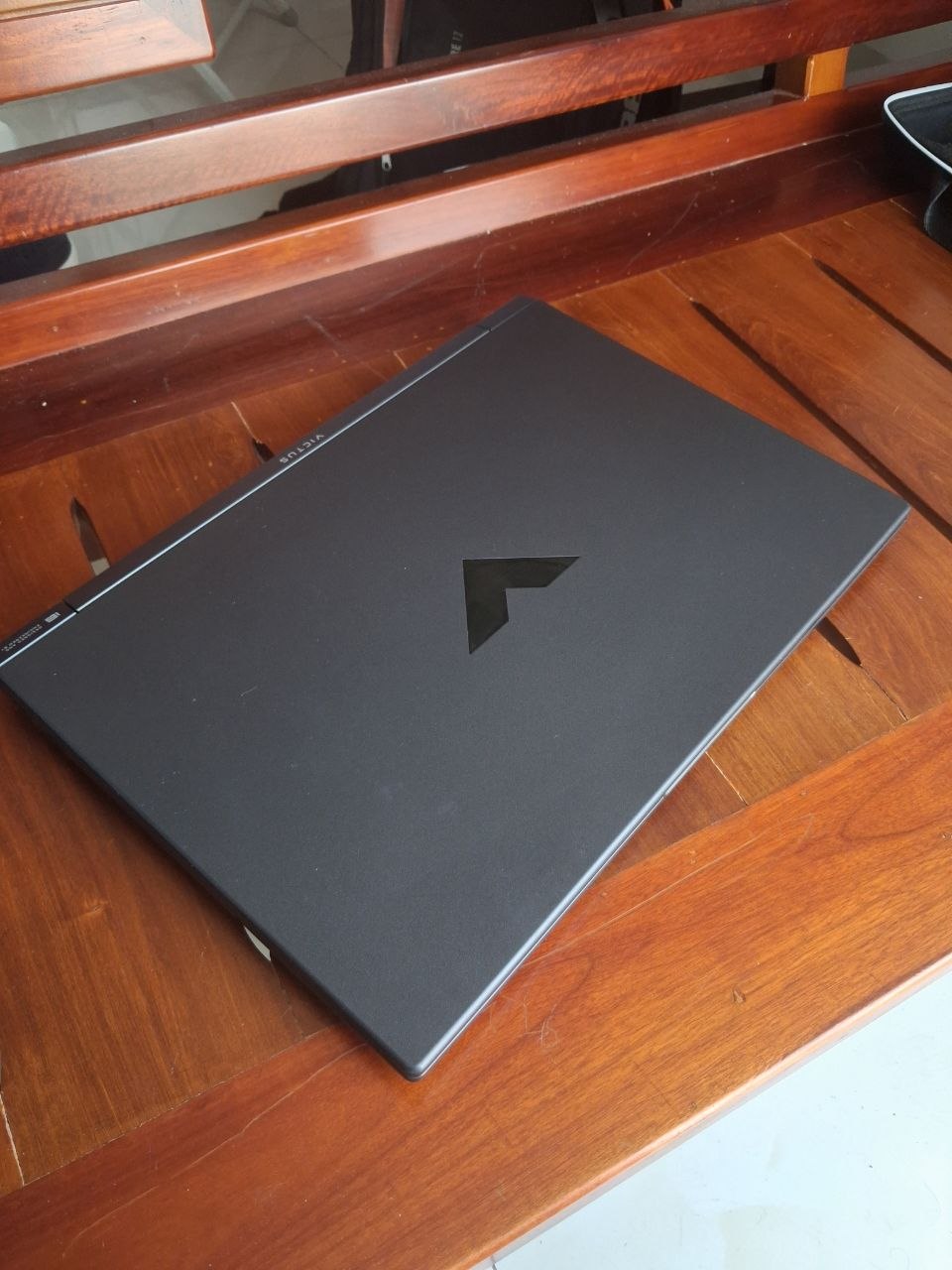
Shoot in daylight. Clear the surroundings, wipe the item, and show it from different angles. For electronics, photograph the powered-on screen, ports, serial sticker (without sensitive data), and visible wear. For furniture, show the overall look, dimensions, and defects. For a bike, take photos of both sides, the dashboard, wheels, and documents (safely redacted).
Don’t hide damage. A small scratch rarely kills a sale, but a defect discovered during a meetup quickly erodes trust.

What to Write in the Listing
A good description answers key questions upfront:
- What’s being sold;
- How long it’s been used;
- Its condition;
- What’s included;
- Any defects;
- Location (city/area);
- Delivery options;
- When it can be picked up;
- Whether haggling is acceptable.
Skip the sales pitch. "Great laptop, runs fast" is weaker than specifics: model, memory, battery health, keyboard layout, charger, and known flaws.
For sets, list the contents. For heavy items, note the floor, elevator access, and whether self-pickup is required.
A good listing saves time for both sides. The less uncertainty, the fewer dead-end conversations.
How to Sell Electronics Safely
Before selling a phone, laptop, or tablet, back up and wipe all personal data. Sign out of cloud accounts, disable device tracking, delete saved maps, and perform a factory reset.
Don’t hand over the device until confirming payment. A screenshot of a bank transfer isn’t proof. Check your balance or transaction history in your own app.
If the buyer wants to test the device, agree on clear terms. Meeting at a café or coworking space is safer than handing over expensive gear on the street. Never ship an item to a stranger after a promise to "pay later."
Selling a Bike Before Departure
Bikes involve more details than regular items. Buyers care about mechanical condition, service history, keys, paperwork, and transfer formalities.
Before posting:
- Wash the bike;
- Check lights, brakes, tires, and battery;
- Gather documents and service receipts;
- Photograph any damage;
- Clarify the legal steps for the sale.
Don’t promise simplicity if you’re unsure about the paperwork. Consult an expert beforehand rather than scrambling on handover day.

How to Organize Meetups Without Losing a Week
Try to group viewings. For example, schedule meetups in two windows: weekday evenings and weekend afternoons. Otherwise, every potential buyer will dictate your schedule.
Before meeting, confirm:
- Final price or acceptable range;
- Exact location;
- Payment method;
- Testing requirements;
- Who handles delivery.
If someone repeatedly reschedules or ghosts, don’t hold the item indefinitely without a deposit. Use deposits sparingly and with clear written terms.
For high-value items, meet in a public place or bring someone. Never send strangers passport photos, bank codes, or unnecessary personal data.
What to Do with Unsold Items
Not every item is worth repricing or relisting endlessly. A few days before leaving, decide on leftovers.
Good options:
- Bundle small items into sets;
- Offer discounts for multiple purchases;
- Give to friends or the next tenant;
- Donate to charity;
- Leave for the landlord (if agreed);
- Recycle unusable items.
Ready-made sets sell well: "kitchen essentials," "home office setup," "new apartment kit," "kids' bundle," or "starter pack for Vietnam."
Final Seller Checklist
Weeks before moving, make a list, take photos, and post major items. As the date nears, lower prices only for items with no real interest.
Before each handover, confirm payment, wipe personal data from electronics, and document the condition of expensive items. Don’t leave everything for the last two days—even a great listing doesn’t guarantee an instant buyer.
Naidu helps organize sales into clear categories: personal items, electronics, transport, home & garden, kids' items, and more. Unlike a generic post, a dedicated listing is easier to find via search.
Once photos and descriptions are ready, post your listing and start receiving inquiries ahead of time.