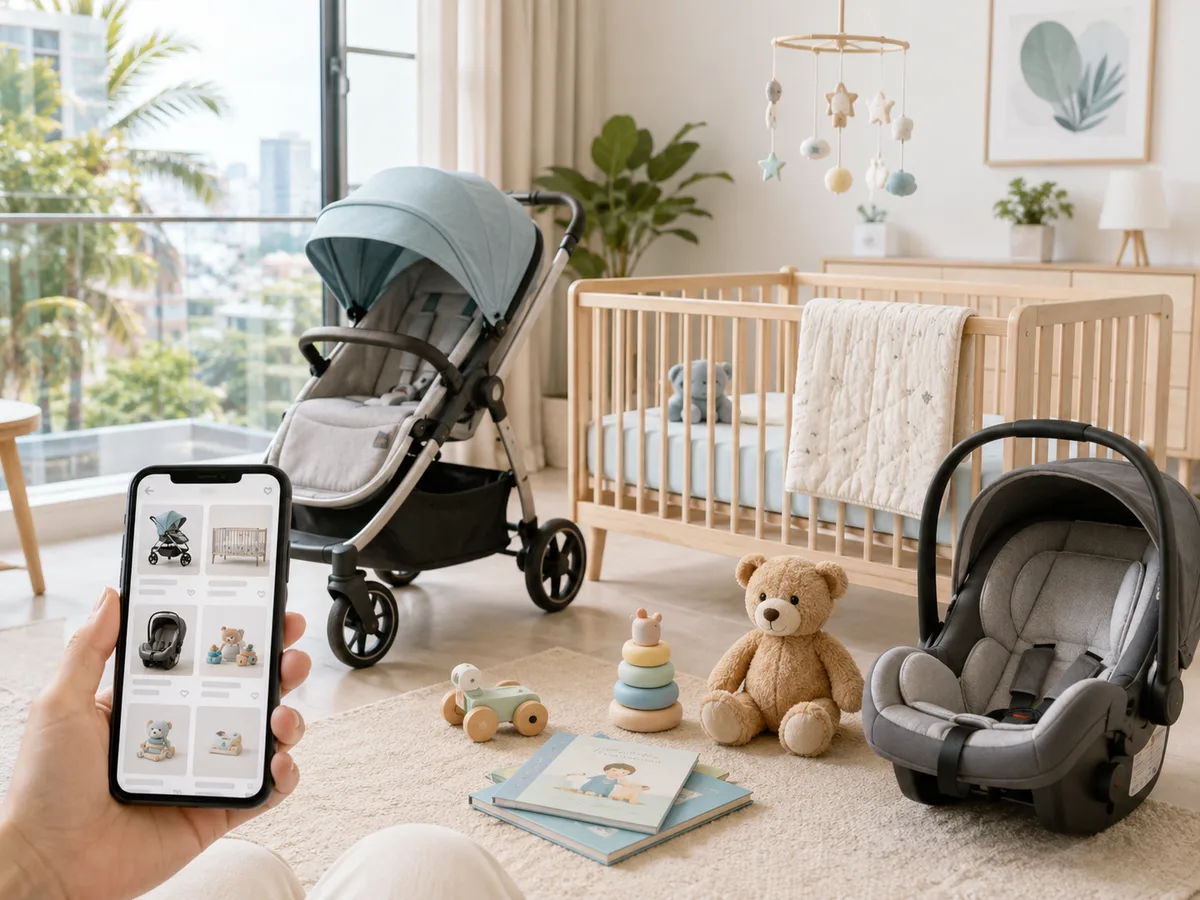
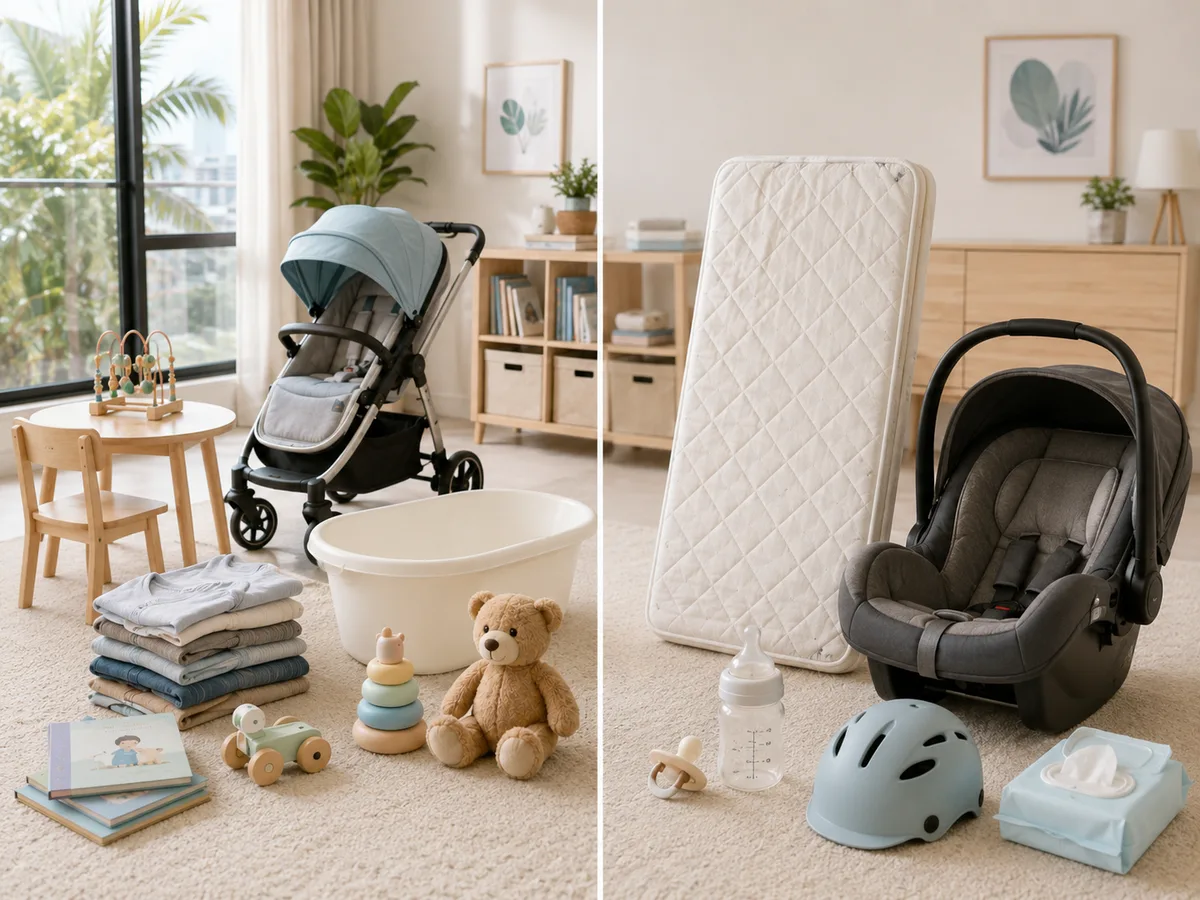
Детские вещи используются недолго, а стоят иногда почти как взрослые. Ребёнок быстро вырастает из одежды, люльки, коляски и игрушек, поэтому рынок вещей с рук особенно полезен для семей, которые живут во Вьетнаме временно или часто переезжают.
Но не все детские товары одинаково подходят для повторного использования. Книги, мебель или одежду легко осмотреть, а у автокресла, шлема или матраса могут быть скрытые риски.
Поэтому при покупке важна не только цена, но и история вещи, её комплектность, чистота и соответствие возрасту ребёнка.
На заметку: для товаров, связанных со сном, перевозкой и безопасностью, лучше быть строже, чем при покупке обычных игрушек или одежды.
Что разумно покупать с рук
Многие детские вещи хорошо переносят повторное использование:
- книги;
- одежда без сильного износа;
- игрушки, которые можно тщательно вымыть;
- столики и стульчики;
- комоды;
- манежи;
- велосипеды и самокаты;
- коляски в хорошем состоянии;
- ванночки;
- переноски с понятной историей.
Б/у покупка особенно выгодна, если семья приехала на несколько месяцев. Нет смысла покупать новый стол, кроватку и десятки игрушек, если затем всё придётся снова продавать.
При этом цена должна учитывать не первоначальную стоимость, а состояние, возраст модели и полноту комплекта.
Что лучше покупать новым или проверять особенно тщательно
Матрасы, соски, бутылочки, средства гигиены и товары с ограниченным сроком использования разумнее покупать новыми.
Автокресло можно рассматривать только при достоверной истории. После серьёзной аварии оно может выглядеть целым, но потерять защитные свойства. Если продавец не знает происхождение кресла, безопаснее отказаться.
То же относится к защитным шлемам. Скрытый удар не всегда заметен снаружи.
Электронные устройства — радионяни, стерилизаторы, подогреватели — нужно проверять как обычную технику: кабель, нагрев, аккумулятор, разъёмы и безопасность корпуса.
Как выбрать коляску
Попросите точную модель и проверьте, подходит ли она под возраст и вес ребёнка. Осмотрите раму на трещины и следы ремонта, несколько раз сложите и разложите коляску.
Проверьте:
- тормоз;
- фиксацию колёс;
- ремни безопасности;
- замки и защёлки;
- ручку;
- наклон спинки;
- корзину;
- капюшон;
- дождевик и дополнительные элементы.
Коляска должна двигаться ровно, без сильного люфта и скрипа. Во Вьетнаме полезны хорошая вентиляция, большой капюшон и материал, который легко чистить после пыли и дождя.
Уточните размеры в сложенном виде. Даже хорошая коляска может не помещаться в лифт, багажник или узкий коридор.
Кроватка, манеж и матрас
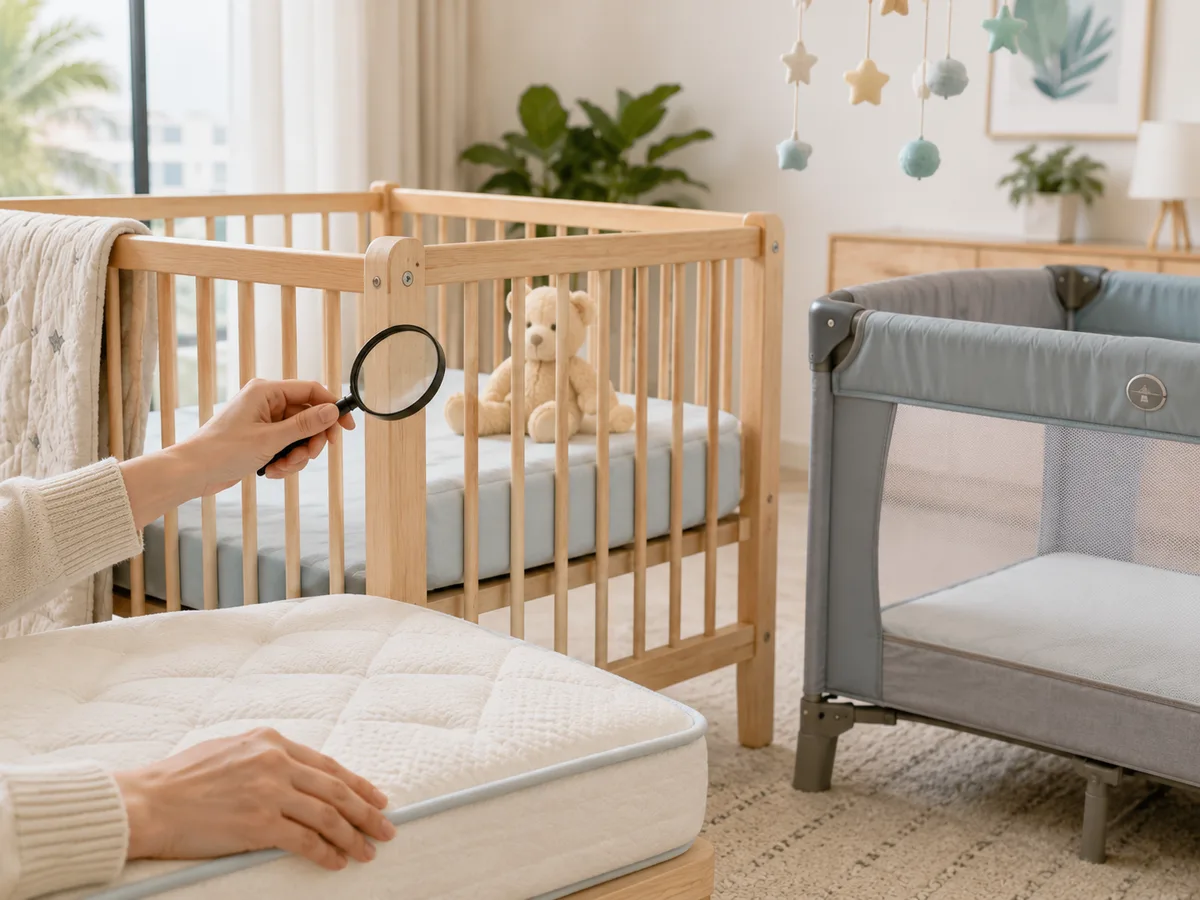
У кроватки проверьте устойчивость, расстояние между рейками, крепления и отсутствие острых деталей. Если модель складная, механизм должен надёжно фиксироваться.
Матрас должен точно соответствовать размеру кроватки и не оставлять опасных щелей по краям. Сильный запах сырости, пятна и следы плесени — причина отказаться от покупки.
Во влажном климате текстиль требует особого внимания. Осмотрите нижнюю часть матраса, складки, ремни и участки, которые редко видны на фотографиях.
Постельное бельё, защитные бортики и мягкие аксессуары нужно оценивать не только по внешнему виду, но и по возможности безопасной стирки.
Автокресло и правила перевозки детей
С 2026 года во Вьетнаме действуют усиленные требования к перевозке маленьких детей в автомобилях: ребёнок младше установленного возраста и роста должен находиться не рядом с водителем и использовать подходящее удерживающее устройство. Перед поездкой проверяйте актуальную редакцию правил и исключения для отдельных видов транспорта.
При выборе кресла важны:
- соответствие росту и весу ребёнка;
- понятная дата производства;
- отсутствие участия в аварии;
- целый корпус;
- исправные ремни и замок;
- полный комплект вкладышей;
- совместимость с автомобилем;
- инструкция по установке.
Не покупайте кресло только потому, что оно «выглядит новым». Попросите продавца рассказать, где и как оно использовалось.
Если планируете ездить на такси, заранее уточняйте возможность установки собственного кресла и условия перевозчика.
Игрушки и детская электроника
Игрушки должны быть целыми, без острых краёв, отслаивающейся краски и мелких деталей, которые могут быть опасны для возраста ребёнка.
Мягкие игрушки сложнее качественно очистить, особенно при высокой влажности. Проверьте запах и швы. Пластиковые и деревянные игрушки обычно проще обработать.
У электронных игрушек осмотрите батарейный отсек. Следы окисления могут повредить контакты. Проверьте все режимы и убедитесь, что корпус не перегревается.
Не ориентируйтесь только на возраст, указанный продавцом. Посмотрите маркировку производителя и оцените реальные навыки ребёнка.
Одежда и обувь
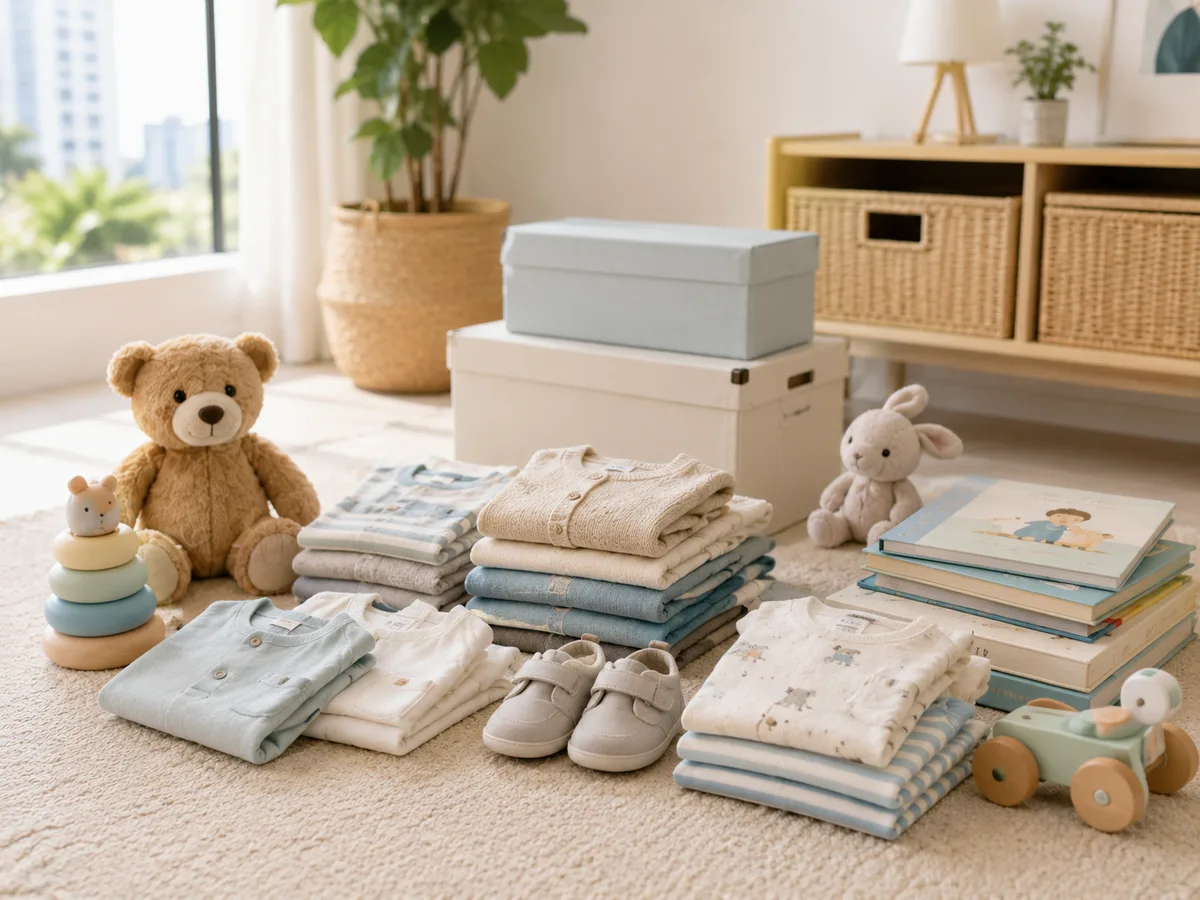
Детскую одежду удобно покупать комплектами по размеру. Попросите замеры, потому что размеры разных брендов могут заметно отличаться.
Проверьте:
- пятна;
- состояние резинок;
- молнии и кнопки;
- швы;
- следы плесени;
- запах;
- возможность машинной стирки.
Обувь должна сохранять форму и не иметь сильно стёртой подошвы. Обувь с выраженным индивидуальным износом может быть неудобной для другого ребёнка.
Как правильно продавать детские вещи
Перед фотографированием вещи нужно вымыть или постирать. Соберите все ремни, вкладыши, крепления, инструкции и чехлы.
В объявлении укажите:
- бренд и модель;
- возраст или размер;
- срок использования;
- состояние;
- известные дефекты;
- комплектацию;
- размеры;
- город и район;
- возможность доставки.
Для коляски или кроватки полезно добавить короткое видео работы механизмов. Для одежды — фотографию ярлыка с размером и составом.
Не пишите «идеальное состояние», если есть заметный износ. Честное описание быстрее приводит к спокойной сделке.
Как формировать комплекты
Мелкие вещи проще продавать наборами. Например:
- одежда одного размера;
- книги для определённого возраста;
- набор для кормления;
- игрушки для купания;
- комплект для новорождённого;
- вещи для детского сада;
- набор для поездки.
Укажите, продаётся ли комплект целиком. Если готовы разделить, заранее определите цену каждого предмета.
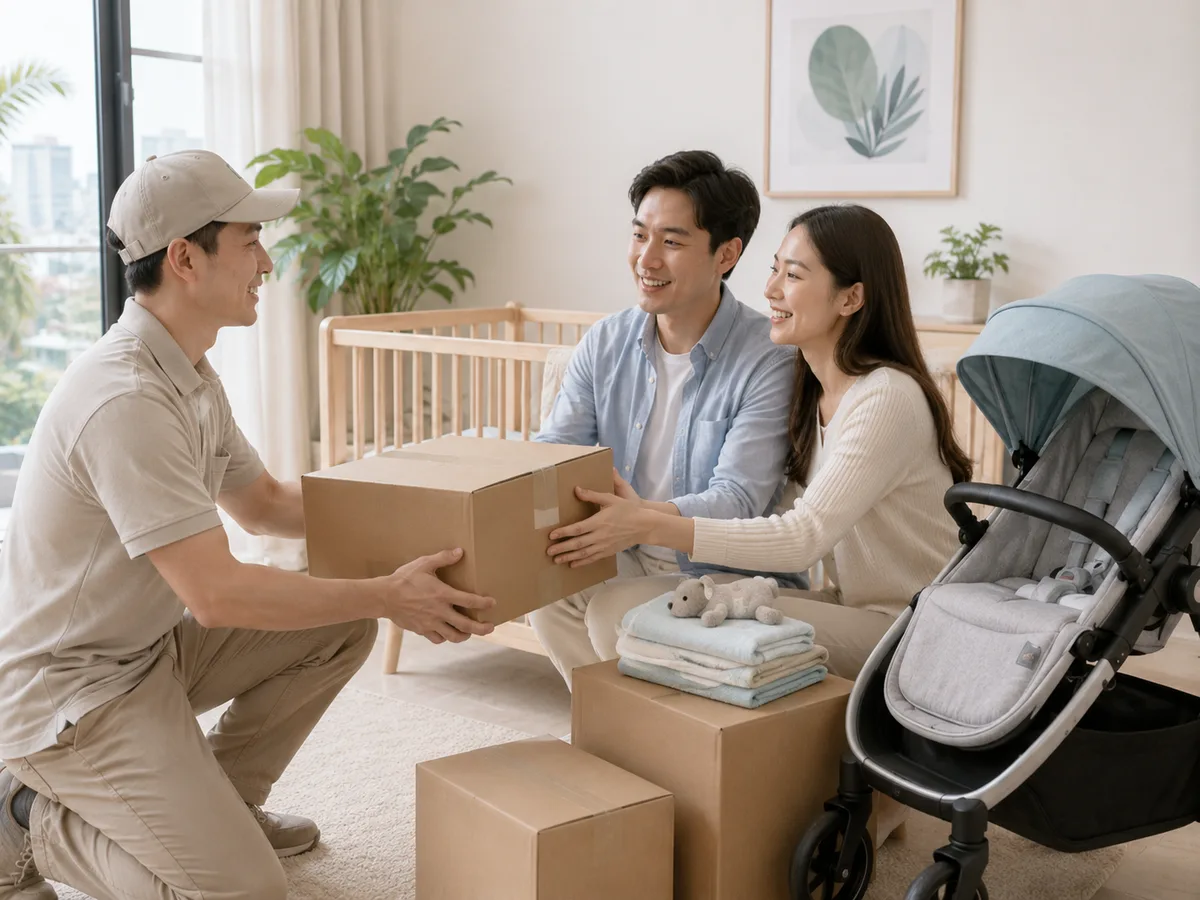
Комплекты особенно удобны новым семьям во Вьетнаме: за одну встречу можно закрыть несколько бытовых задач.
Безопасная встреча
Для крупной вещи встречайтесь там, где можно нормально проверить механизм и размеры. Не переводите деньги до осмотра, если продавец вам неизвестен.
Перед покупкой дорогого товара попросите актуальное фото. При передаче пересчитайте комплект и ещё раз проверьте замки, ремни и электрику.
Naidu помогает разделить детские товары по типам, чтобы коляски, одежда и обувь, игрушки и мебель не терялись среди случайных сообщений. Но безопасность конкретной вещи всегда нужно оценивать самостоятельно.